
Understanding Houston Flood Zones: A 2026 Homeowner’s Guide
Michael Jewell
Jun 17 2026 13:15
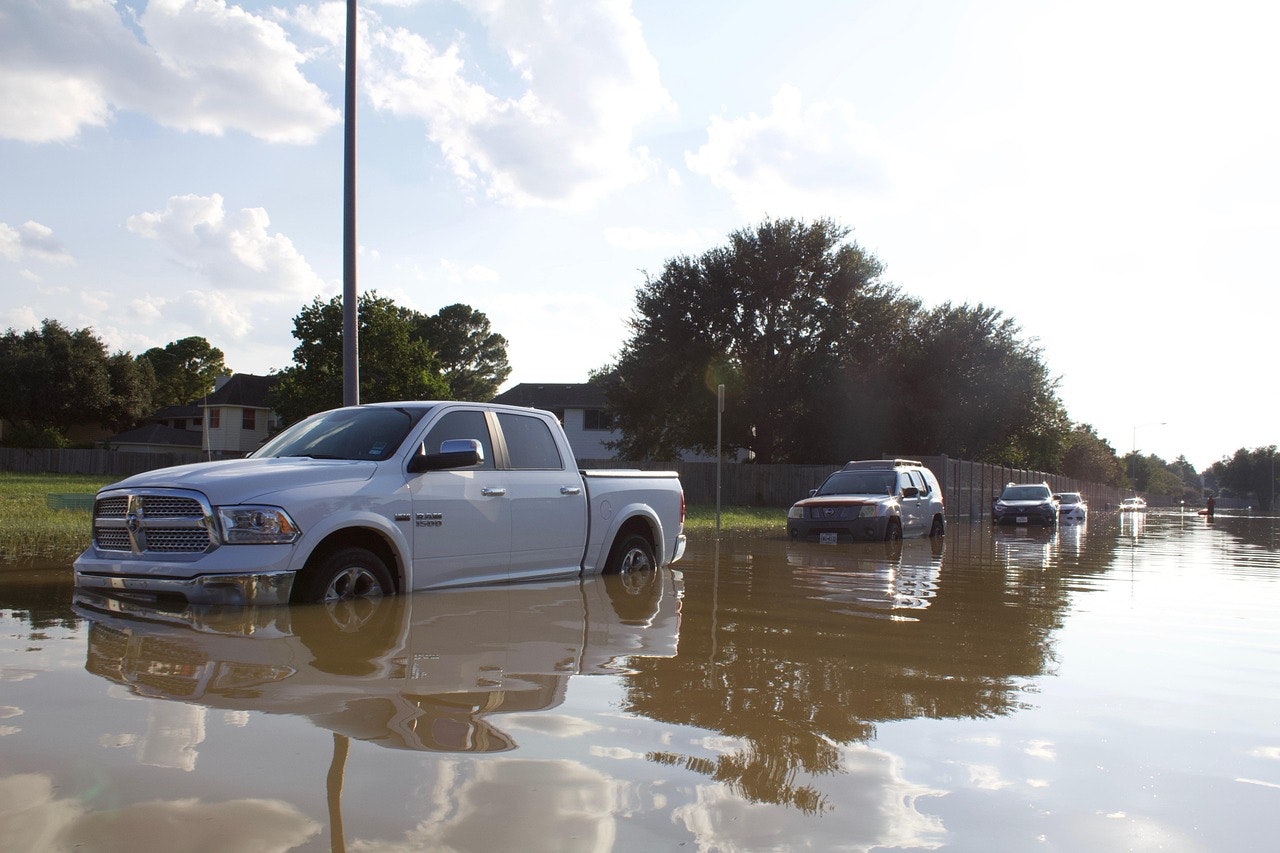
Houston’s unique geography, rapid growth, and proximity to the Gulf Coast make flood awareness essential for every homeowner. Whether you live near a bayou, in a master‑planned community, or inside Loop 610, understanding your flood zone can help you protect your property and make informed insurance decisions. Below, we break down what flood zones mean, how they affect insurance in Texas, and what Houston residents should know going into 2026.
What Flood Zones Mean for Houston Homeowners
A flood zone is a geographic designation used by FEMA to indicate a location’s level of flood risk. In Houston, flood zones are especially important because they influence not only the likelihood of flooding but also insurance requirements, building codes, and long‑term property value. With ongoing infrastructure improvements and updated flood mapping, many Houstonians are finding that their flood zone classification has changed—or may change again soon.
At Michael Jewell Insurance, we help homeowners interpret these maps and understand how their zone affects coverage options and pricing for flood insurance Texas residents rely on.
Understanding the Most Common Flood Zones in Houston
Houston’s flood zone landscape is diverse, ranging from high‑risk coastal areas to lower‑risk inland neighborhoods. Here are the primary FEMA designations homeowners encounter:
Zone AE – High-Risk Areas
Zone AE represents areas with a 1% annual chance of flooding (often called “100‑year floodplains”). These areas are typically found along major bayous such as Brays, Buffalo, White Oak, and Greens Bayou, as well as regions closer to Galveston Bay. Mortgage lenders typically require flood insurance for homes in Zone AE.
Zone VE – Coastal High Hazard Areas
Located primarily near the coastline and areas vulnerable to storm surge, Zone VE indicates a high risk of flooding and wave action. While more common in coastal counties, some southeast Houston communities and Galveston Bay–adjacent neighborhoods fall into this category.
Zone X (Shaded) – Moderate-Risk Zones
These areas have a 0.2% annual chance of flooding (“500‑year floodplain”). Though not considered high-risk by lenders, shaded Zone X still experiences periodic flooding—especially from heavy rainfall events like those Houston has seen in recent years.
Zone X (Unshaded) – Low-Risk Areas
This designation applies to regions with minimal flood risk. Flood insurance is not required, but still recommended because Houston’s rainfall patterns can produce flash flooding even outside designated floodplains.
How 2026 FEMA Updates Are Affecting Houston
FEMA continues its multi-year effort to modernize flood maps across Texas, incorporating detailed rainfall data, watershed modeling, and climate trends. For Houston homeowners, this means that some neighborhoods may see their classification shift in 2026. Homes previously considered low-risk may move into a higher-risk category—and vice versa—impacting insurance requirements and premiums.
Key factors driving the updates include:
- Increased rainfall intensity in the Houston area
- Updated modeling of bayou and drainage capacity
- Neighborhood‑level elevation assessments
- Storm surge projections impacting southeast Houston
If your zone changes, your mortgage requirements, insurance pricing, and mitigation recommendations may change as well. As an independent Texas insurance agency, we help homeowners navigate these transitions so they can budget and plan ahead.
How Flood Zones Affect Insurance Rates
Flood zones play a major role in determining premiums for flood insurance Texas homeowners purchase through the National Flood Insurance Program (NFIP) or private carriers. Higher-risk zones generally lead to higher premiums, though the rollout of FEMA’s Risk Rating 2.0 system means pricing is now based more on individual property risk than zone designation alone.
Factors that influence flood insurance pricing now include:
- Elevation of the home
- Proximity to water sources
- Previous flood claims
- Foundation type (slab, pier-and-beam, etc.)
- Cost to rebuild the structure
While some homeowners are seeing higher rates under the new system, others benefit from more accurate pricing tailored to their true risk level.
The Importance of Flood Insurance—Even Outside High-Risk Zones
One of the most common misconceptions is that homeowners outside high-risk zones don’t need flood insurance. In reality, more than 25% of flood claims come from homes in low-to-moderate risk zones. Houston’s history—from Harvey to Imelda to countless unnamed storms—shows that flooding can occur anywhere intense rainfall overwhelms local drainage.
Because standard homeowners insurance does not cover flood damage, adding a flood policy is one of the most important steps Houston residents can take to protect their home and finances.
How to Check Your Flood Zone
Homeowners can locate their current flood zone using FEMA’s Flood Map Service Center or local resources from Harris County Flood Control. Flood maps are updated periodically, so it’s a good idea to check annually—especially if you plan to renovate, refinance, or buy a new property.
If you need help interpreting your zone, we’re always here to explain it in plain language and walk through how it affects your insurance choices.
FAQ
Do flood zones determine whether I need flood insurance?
While lenders may require coverage for homes in high-risk zones, all Houston homeowners can benefit from flood insurance given the city’s rainfall patterns and drainage challenges.
Is flood insurance included in my home insurance policy?
No. Standard home insurance does not cover flood damage. Flood insurance must be purchased separately through NFIP or a private flood carrier.
How often do flood zone maps change?
FEMA updates maps as new data becomes available, which can be every few years. Houston’s next major updates continue rolling out through 2026.
Can my flood zone change over time?
Yes. As the city grows, drainage systems evolve, and storms become more intense, flood zones can shift. A zone change may affect insurance costs and building requirements.
How can an independent insurance agency help?
We compare NFIP and private flood options, help interpret flood zone data, explore potential savings, and guide you through the best protection strategies for your specific home.
At Michael Jewell Insurance, we’re committed to helping Houston families understand their flood risk and secure dependable protection. Whether you're reviewing your zone, shopping for Houston insurance quotes, or preparing for the 2026 map updates, our team is here to make the process simple, friendly, and stress-free.